Botox sits at the intersection of anatomy, artistry, and restraint. When someone asks for “a few units in the forehead,” what they are really asking for is a plan: where to place micro-doses, how to balance muscle groups, and how to preserve character while softening lines. A refined botox procedure is less about chasing wrinkles and more about understanding the tug-of-war between elevators and depressors in the face. This is the walk-through I give first-time patients and seasoned clients who want to understand the why behind each step.
What Botox Actually Does
Botox is a purified neuromodulator that temporarily relaxes targeted muscles. The drug interrupts acetylcholine release at the neuromuscular junction, so the muscle can’t contract as forcefully. Less contraction, fewer dynamic lines, smoother skin over time. It does not fill a crease like hyaluronic acid fillers do, and it does not tighten skin the way energy-based devices can. Think of botox treatment as dialing down the pull of specific muscles so the face rests more evenly.
For most cosmetic areas, botox results begin to show within 3 to 5 days, peak around 10 to 14 days, and gradually fade over 3 to 4 months. Some patients hold results longer, especially with repeated treatments and precise dosing. Baby botox or mini botox is simply a strategy of using lower botox units per site to preserve maximum movement while softening creases. The goal for many is a natural look that smooths without freezing.
The Consultation: Setting Targets and Boundaries
Strong outcomes start with a conversation. I ask patients to describe what bothers them in their own words. “I look angry,” “My makeup creases,” “My eyes feel heavy in photos” are more useful than pointing to broad “anti-aging.” We discuss zones: botox for forehead lines, botox for frown lines (the glabellar complex), botox for crow’s feet, and less common requests like a botox lip flip, botox for under eyes, or a subtle botox eyebrow lift.
Photography matters. Good, consistent lighting and neutral expressions help establish a baseline. Botox before and after photos can be good feedback tools, but they should be honest. If a crease is now static because collagen is thin, neuromodulation alone may not erase it. Patients who understand the difference between dynamic and etched lines are happier with outcomes.
We also screen for medical history and safety information: neuromuscular disorders, pregnancy or breastfeeding, active infections, previous reactions, anticoagulants, and recent aesthetic procedures. This is not just a box-checking exercise. Prior laser, dermal fillers, or thread lifts change how I approach mapping and sequencing. For example, with botox and dermal fillers in the same zone, I typically stage the neuromodulator first to stabilize movement, then place filler at a later visit so I am not compensating for muscles that will soon quiet.
For people seeking botox near me, I encourage interviewing clinics. Ask how many botox injections they perform each week, whether they use recognized botox brands, how they calculate units, and what their policy is for touch ups. Speak with the injector, not only the coordinator. A botox certified injector with deep knowledge of anatomy and a conservative hand is worth the appointment wait.
The Mapping: Reading Your Muscles at Rest and in Motion
Mapping is where experience shows. The same five dots on every forehead is not a plan, it is a shortcut. I observe expression while guiding specific movements. “Lift your brows,” “Frown,” “Squint as if into the sun,” “Smile wide.” Each action reveals muscle dominance and asymmetries. Some foreheads have a strong central frontalis band that requires more support, others have lateral overactivity that causes brow tails to peak. If you have naturally low-set brows or hooding, heavy-handed botox for forehead lines can drop your brows further. In that case, I preserve lateral frontalis action and rely on careful glabellar dosing to offset the downward pull of the corrugators.
Mapping is not just for the upper face. For a botox lip flip, I identify the points of the orbicularis oris that tuck the upper lip inward. With botox for masseter reduction, I palpate the masseter while clenching to delineate borders. For a soft neck lift or botox for jowls, I assess platysmal bands in motion, sometimes marking bands with a skin pencil to track the most prominent fibers.
A note on botox injection sites: the face is a web of interlocking muscles. Depth and angle of injection change the effect. Too deep in the forehead and you risk diffusion into deeper structures that impact brow position. Too shallow at the crow’s feet and you may not adequately target the lateral orbicularis. Precision is what separates a fresh, natural result from a frozen or droopy one.
Units, Dilution, and Micro-Dosing Strategy
Units are the currency of neuromodulation. The conversation about botox cost often turns on how many units are used and the clinic’s per-unit pricing. Average ranges are only a guide. A smaller forehead might look polished with 6 to 10 total units, where a larger, more muscular forehead could need 12 to 20 units for the same smoothing. Glabellar complexes typically range around 12 to 20 units, crow’s feet 6 to 12 units per side, masseter reduction often 20 to 40 units per side depending on muscle bulk and New York botox brand. Those numbers vary by brand equivalency, patient metabolism, and the injector’s technique.
Micro-dosing is a philosophy, not just a low number. It refers to spreading small aliquots across multiple points, respecting individual muscle vectors. Instead of four large boluses to the frontalis, I may place eight to twelve micro-injections to soften without flattening expression. For the lip flip, a total of 4 to 8 units split into tiny blebs prevents speech changes while rolling the pink of the lip slightly outward. For botox for under eyes, I am conservative due to risk of smile distortion and eye dryness, often 1 to 2 units in select points for very specific indications.
Dilution also matters. Most injectors reconstitute to standard concentrations that yield predictable spread. Adjusting concentration allows finesse in diffusion. A slightly higher concentration can localize effect in small areas such as a gummy smile or chin dimpling. These choices are technique-driven and should be discussed openly during your botox consultation.
The Procedure Chair: What You’ll Feel and Why It’s Sequenced That Way
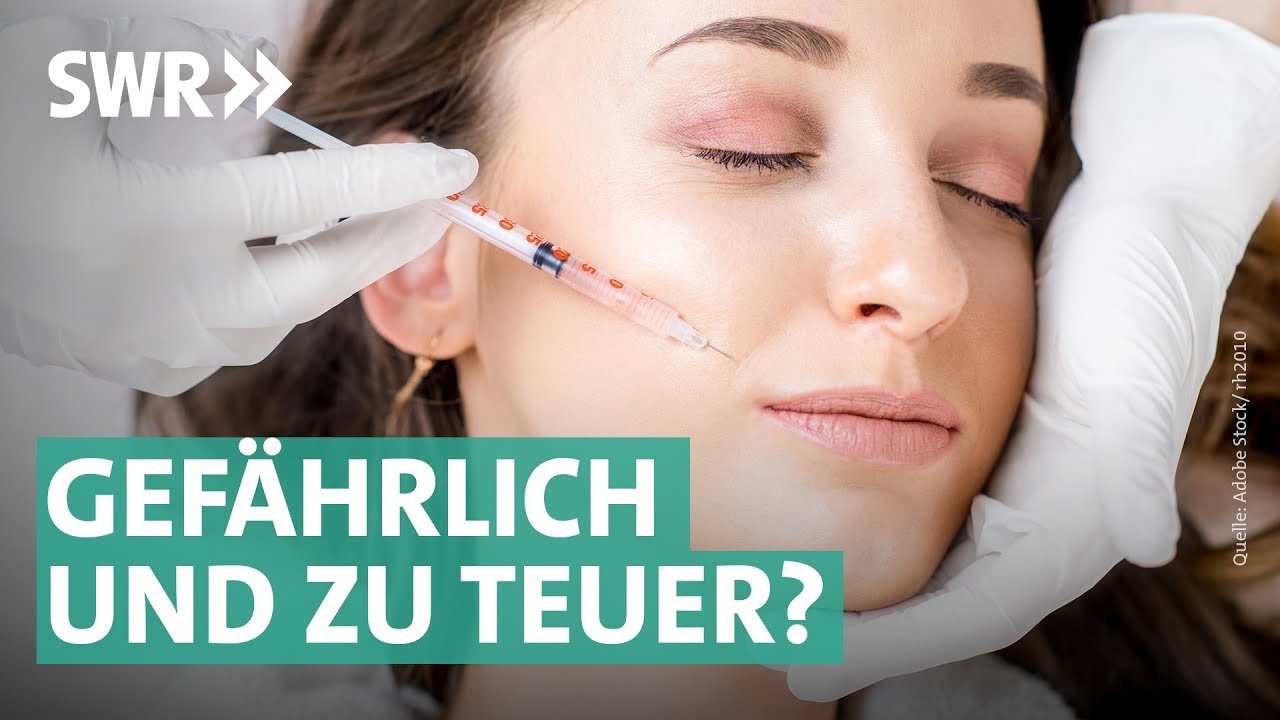
Preparation is simple: a clean face, makeup removed, and a quick antiseptic swipe. If a patient is sensitive, I use ice or a topical anesthetic cream, though most find botox pain level to be mild, more of a quick sting than true pain. I prefer to mark injection points with a removable pencil. In the forehead and glabella, I sequence from the center out, so I can reassess symmetry and muscle response as I go.
Depth and angle are chosen per site. In the glabellar complex, injections often target the corrugators and procerus at a deeper plane than the superficial frontalis points. Around the crow’s feet, the needle is angled just beneath the skin to catch the lateral orbicularis without affecting the zygomaticus that powers your smile. The entire botox cosmetic procedure can take 10 to 20 minutes, slightly longer for masseter reduction or if multiple areas are mapped and treated.
You may notice small blebs at the injection spots that settle within 15 to 30 minutes. Minor pinpoint bleeding happens occasionally and is easily dabbed away. Bruising risk increases if you are on fish oil, aspirin, or other blood thinners. I advise stopping non-essential supplements that increase bruising about a week prior, with your physician’s approval. Alcohol the night before can also increase bruising.
After the Syringe: Immediate Care and the First Two Weeks
Botox downtime is minimal. The most common side effects are tiny injection-site bumps, light redness, and occasional bruising. Headaches can occur, especially with first-time botox for forehead lines, and typically resolve in a day or two with hydration and rest.
I give clear, simple aftercare. Stay upright for 4 hours, avoid heavy sweating or hot yoga that day, and skip rubbing or massaging the treated areas. Makeup can be reapplied after a few hours if the skin is calm, but be gentle. Some will tell you to “exercise” the muscles by frowning and relaxing repeatedly. There is limited evidence this changes results, but it doesn’t hurt when done gently.
Results timeline: expect a flutter of change by day 3, more definite softening by day 7, and final symmetry and smoothing by day 14. I schedule a follow-up or at least a photo check at two weeks for botox touch up if needed. Touch ups are not a failure, they are how we fine-tune. Minor asymmetries happen because no face is perfectly symmetrical and muscles do not always respond identically.
Targeted Areas, Nuance by Nuance
Forehead lines. The frontalis is the only brow elevator. If you over-relax it without addressing the glabellar depressors, brows can feel heavy. A conservative course starts with the glabella and a gentle frontalis micro-dosing pattern, especially in patients with low-set brows or hooding. Protect the lateral forehead to keep a nice brow tail.
Frown lines. The classic “11s” form from corrugator and procerus activity. Proper dosing here often brings the biggest “I look less angry” change. If the frown lines are deeply etched, consider a staged plan: neuromodulation first, then filler or skin resurfacing later to lift static creases.
Crow’s feet. The eye area is expressive, and over-treatment here can blunt a smile. I favor small aliquots, staying lateral and slightly inferior to the orbital rim. If someone has a long history of squinting, improving upper cheek support with filler or collagen-stimulating treatments complements the crow’s feet softening.
Lip flip. A few units into the upper orbicularis allow the lip to relax outward, showing more pink. Nice for patients who want subtle fullness without filler, especially when the top lip tucks under on smiling. It will not replace volume. I warn patients that whistling or sipping through a straw can feel different for a week or two.
Gummy smile. Tiny doses into the lip elevators can reduce excess gum show. Small margins matter here, and a conservative trial is wise.
Chin dimpling. Pebbling or orange-peel texture comes from overactive mentalis. A subtle relaxant effect smooths the chin and can soften a witchy chin point.
Jawline and masseter reduction. For clenchers and grinders, botox in the masseters can relieve tension and slim a square lower face over several months. Palpation guides safe placement, keeping distance from the parotid duct and zygomaticus. Expect functional relief first, then soft contour change as the muscle reduces in bulk.
Neck bands. The platysma creates vertical bands that can be softened with a series of small injections. I assess swallowing and animation to avoid diffusion that might affect deeper neck function. A true botox neck lift is modest; it refines, it does not replicate surgical lifting.
Under eyes. This is a cautious zone due to risks of smile change or lower lid laxity. Often I use fractional lasers or skin boosters instead. If treating, it is with minimal units in selected cases.
Botox vs Fillers: Choosing the Right Tool
Botox for wrinkles handles movement-driven creases. Dermal fillers support structure and replace volume. Botox and dermal fillers often mix well, but order and placement matter. For example, soften the glabellar pull with botox first, then, if a line persists at rest, consider a micro-drop of filler at a later visit. For smile lines that reflect midface volume loss, fillers are the main tool. For fine radial lip lines, a blend of neuromodulation and micro-filler can help. If your injector recommends both, ask how each contributes to your aesthetic goals.
There are situations where botox alternatives or adjuncts fit better: microneedling for texture, chemical peels for fine lines, energy devices for skin tightening. Neuromodulation is one piece of a broader facial rejuvenation strategy.
Brands and Equivalences: Botox vs Dysport vs Xeomin vs Jeuveau
Patients often ask whether brand matters. These products have similar cores but different accessory proteins and diffusion profiles. Botox Cosmetic is the brand most people know. Dysport can have a slightly quicker onset with a different unit conversion. Xeomin is a “naked” toxin without complexing proteins, which some providers prefer in patients with concerns about antibody formation. Jeuveau is another modern entrant with comparable performance. In skilled hands, all can produce strong, natural results. I choose based on area, prior response, units needed, and patient preference. If you had great botox injection results with one brand, there is little reason to switch unless we are troubleshooting something specific.
Safety, Side Effects, and When to Say No
When performed by a trained injector, botox is safe. Common botox side effects include mild swelling, redness, and bruising. Less common events include headache, eyelid or brow ptosis from diffusion into unintended muscles, smile asymmetry after crow’s feet or under eye doses, or dry eye symptoms. These are typically temporary and manageable, but prevention beats correction.
Serious adverse effects are rare at cosmetic doses. Avoid treatment if you are pregnant or breastfeeding, have an active infection in the area, or have certain neuromuscular conditions. If you have a big life event or on-camera day, schedule treatments at least two weeks in advance to allow time for results to settle and for a subtle botox top up if needed. If something feels off after treatment, contact your clinic early. Timely assessment helps determine if observation, drop therapy for ptosis, or a small adjustment is appropriate.
Botox gone wrong is usually a story of poor mapping or excessive dosing, not an inherent flaw in the medication. Overdone foreheads flatten expression and shine oddly in photos. The fix is usually time, then a lighter, more tailored approach next round. Botox corrections sometimes involve balancing the antagonist muscles rather than chasing the original site with more units.
Prevention, Maintenance, and the Long View
One of the most underestimated botox benefits is prevention. Preventative botox limits repetitive creasing that etches lines into the dermis. Starting earlier does not mean using large doses; it means addressing the biggest culprits with minimal, strategic units. Think of it as brushing and flossing for your expression patterns.
Longevity varies. Most people repeat botox every 3 months to maintain a consistent look. Some stretch to every 4 to 6 months, especially with lighter expression habits or smaller muscle mass. A botox maintenance schedule depends on your goals, budget, and how much movement you want between sessions. Athletes with higher metabolism may see shorter duration. Men often need higher total units due to stronger musculature. These are patterns, not rules, and they guide planning.
Aftercare extends beyond the first day. Stable skincare supports better texture over the relaxed muscles. Gentle retinoids, vitamin C, and sunscreen keep skin Have a peek at this website quality high. Combining botox and skincare is not optional; neuromodulation smooths motion, while skincare and collagen-stimulating treatments refine the canvas. If you are using strong actives like retinol, ease back in a day after treatment to minimize irritation.
Managing Expectations: Realistic Results and Budgeting
I suggest planning a first treatment as a two-visit sequence: dose day and a 2-week check. Budget for the possibility of a small touch up. Discuss total botox cost, not just per-unit pricing. A clinic that quotes a lower per-unit price but recommends many more units is not always cheaper. Ask for a clear estimate aligned with your mapped plan.
Natural results are achievable when the plan respects your facial dynamics. If a client says they want a completely frozen forehead, I explain the trade-offs: compromised brow function, a disconnect between eye and brow expression, and a higher risk of flat, mask-like results. Most people prefer light movement and smooth skin. That balance is the botox aesthetic that reads as refreshed rather than altered.
Special Use Cases Beyond Aesthetics
Migraine relief. Botox for migraines is a medical protocol with mapped injection sites at set intervals. If you have both migraine and cosmetic goals, coordinate with a provider experienced in the therapeutic pattern to avoid overlap or excessive total dosing.
Hyperhidrosis. Botox for excessive sweating in the underarms, palms, or hairline can be life-changing. Expect higher unit counts in these areas and a duration often in the 4 to 6 month range. The injection grid is more systematic, and numbing methods are often used for comfort.
Functional jaw relief. For bruxism, botox masseter reduction eases clenching and can protect teeth and restorations. Note that profound slimming takes repeat sessions and patience. Some will pair with a night guard for full benefit.
What a Thoughtful First-Time Plan Looks Like
A new patient in their early thirties with active frown lines, mild forehead lines, and early crow’s feet might start with 12 to 16 units to the glabella, 6 to 10 units scattered across the upper forehead, and 6 units per side at the crow’s feet. We would schedule a check in two weeks, expecting soft motion, fewer furrows between the brows, and a rested look around the eyes. If the patient loves the result but wants even more preservation of movement, next time we step down a couple of units. If they want slightly crisper smoothing at the crow’s feet, we add a unit per side. It is iterative, and the second session informs the maintenance schedule.
A patient in their late forties with etched horizontal lines and midface volume loss needs a broader plan: botox for forehead and glabella to reduce motion, plus a conversation about fillers or biostimulators for static lines and cheek support. Expect two or three appointments over a few months to sequence treatments, because stacking everything in one day often looks unnatural and removes the chance to calibrate.
Myths, Facts, and Choices That Matter
You will not become “addicted” to botox. What happens is preference. Once people see smoother skin and a softer resting face, they often want to maintain it. Stopping is always an option. Movement returns gradually, and lines settle back to their baseline over time.
Botox does not make your skin thinner. Over years, consistent botox use can actually improve the superficial look of the skin because repetitive creasing is reduced, letting collagen remodeling catch up. If your skin seems crepey, that is usually a separate issue involving sun damage, dehydration, or volume loss, not the neuromodulator.
The idea that “more is more” is the fastest way to odd results. Strategic placement with the fewest necessary units is how you get a botox natural look, not by maxing out each zone.
When Combination Therapy Elevates Results
Botox filler combination treatments often deliver the most harmonious facial rejuvenation. Softening a downturned mouth corner with tiny doses to the depressor anguli oris can be paired with a whisper of filler at the marionette region. Lifting the lateral brow with careful botox placement pairs well with temple or lateral cheek support when volume is lacking. Skin quality work matters too. If you have finely etched lines from photodamage, adding microneedling or a light laser can do what neuromodulation cannot.
For men, an approach that respects masculine features is key. Men’s foreheads tend to be larger with lower brows. The goal is to keep strength in the brow while reducing deep creasing. Units are usually higher, but distribution still matters to avoid arching or feminizing the brow.
The Checkpoint: Two Weeks That Make or Break Satisfaction
By day 14, botox injection results are at full effect. This visit is where we correct tiny imbalances, add a unit or two where needed, or simply document the result for next time. If a brow feels heavy, I assess whether a small lift can be created by relaxing opposing depressors. If the crow’s feet are too still, we trim back next round. Consistency in photos at this stage is invaluable: same camera, distance, expression, and lighting.
Planning Your Maintenance Without Overdoing It
Two patterns work well for most:
- Quarterly cadence. Treat every 3 months to keep a steady look, with minor adjustments each session. Flexible cadence. Treat areas that bother you most every 4 to 6 months, and skip zones that still look good.
Both can be right depending on goals and budget. If you are diligent with sun protection and a smart skincare routine, you can often lengthen intervals without sacrificing the overall botox rejuvenation effect.
Finding the Right Clinic and Asking the Right Questions
If you are searching for a botox clinic or “botox near me,” prioritize skill and transparency over discounts. A few practical questions help:
- How do you customize mapping for different foreheads and brow positions? What are your typical unit ranges for my areas, and how do you adjust for men or first-time patients? What is your touch up policy at the two-week mark? Which botox brands do you carry, and why might you choose one over another? Can I see unedited, consistent before-and-after photos for cases similar to mine?
Clear, confident answers indicate a practice that values precision over volume.
A Realistic, Calm Path to Better Skin
Botox is not a makeover, it is a tune-up. Done well, it softens harsh lines, balances brows, and restores a rested baseline to the face you already like. The best work does not announce itself. Friends say you look well-rested, not “filled.” Patience, planning, and micro-dosing deliver that outcome far more reliably than chasing every line with more units.
If you are a botox beginner, start modestly. If you are seasoned, reconsider your map periodically, especially if your face or goals have changed. Muscles adapt, lifestyles shift, and your ideal result at 32 may not be the same at 48. Trust a measured approach, and give your injector feedback at each visit. That conversation is the bridge between medical technique and the subtle aesthetic you are after.